Riyadh
Kingdom Tower and Al Faisaliah Tower: Iconic skyscrapers with panoramic views.
The Saudi National Museum: Displays the history of the Arabian Peninsula since ancient times.
Al-Turaif District in Diriyah: A UNESCO World Heritage site and home to the First Saudi State.
Jeddah
Jeddah Corniche: Extending along the Red Sea, suitable for picnics and marine activities.
Al-Balad (Old City): Historic buildings and traditional markets.
King Fahd Fountain: The tallest fountain in the world, spraying water over 300 meters high.
Mecca
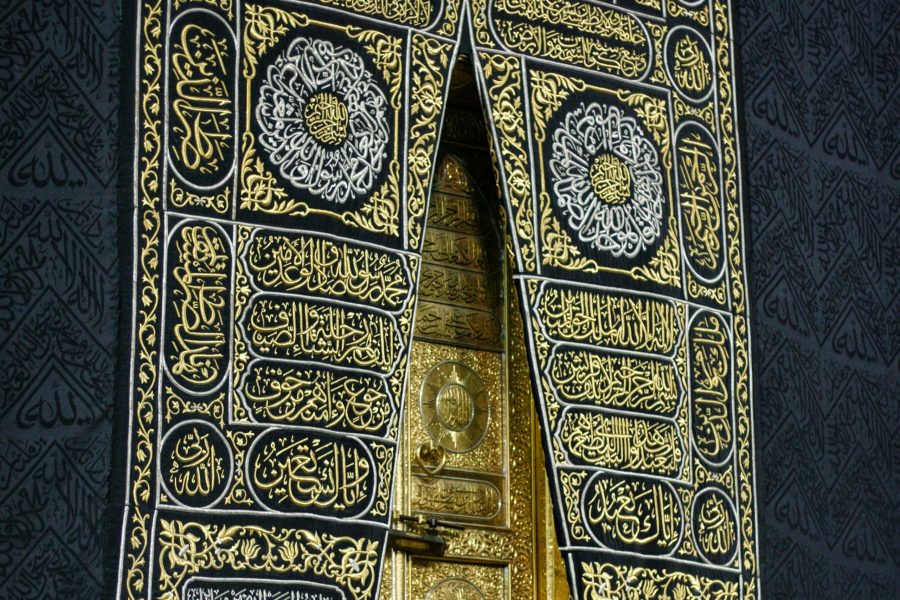
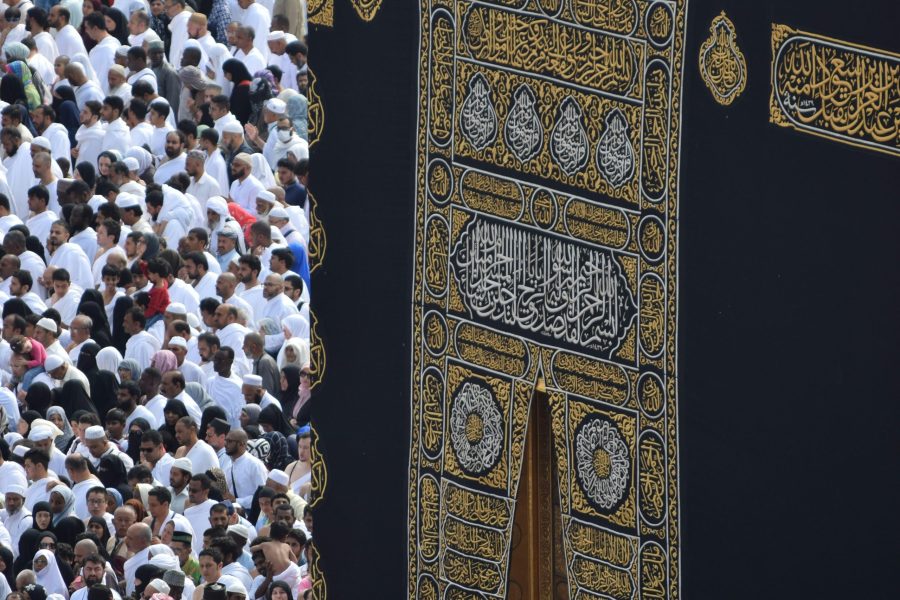
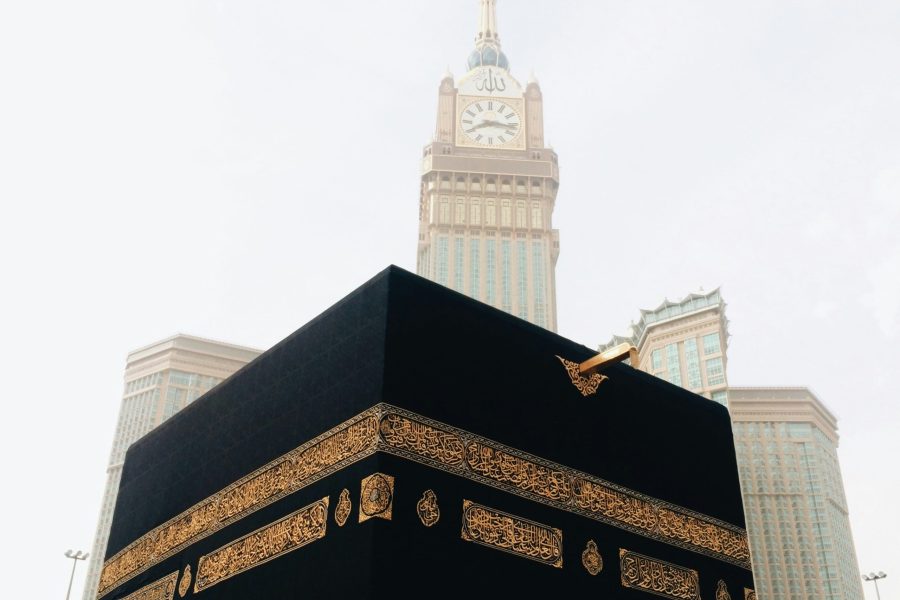
The Grand Mosque and the Holy Kaaba: The qibla (direction) for Muslims worldwide.
Although not open for regular tourism visits, it is a great religious center exclusively for Muslims.
Medina
The Prophet’s Mosque: The second holiest site in Islam.
Mount Uhud and Quba Mosque: Religious and historical sites.
Al-Ula
Madain Saleh (Al-Hijr): A Nabatean archaeological site over 2000 years old.
Elephant Rock and Al-Ula Oasis: Stunning natural landscapes.
Winter at Tantora Festival: Annual cultural and artistic events.
Abha and Asir Mountains:
Rijal Alma Village
Wonderful architectural heritage among the mountains.
Jabal Sawda
The highest peak in Saudi Arabia, cool climate suitable for camping.
NEOM and the Red Sea
A futuristic tourist destination with massive projects like The Line and Trojena (a mountain ski resort).
Pristine beaches and distinctive water sports.